Unlock a Pain-Free Neck: 7 Essential Moves for Mobility & Relief
At a Glance
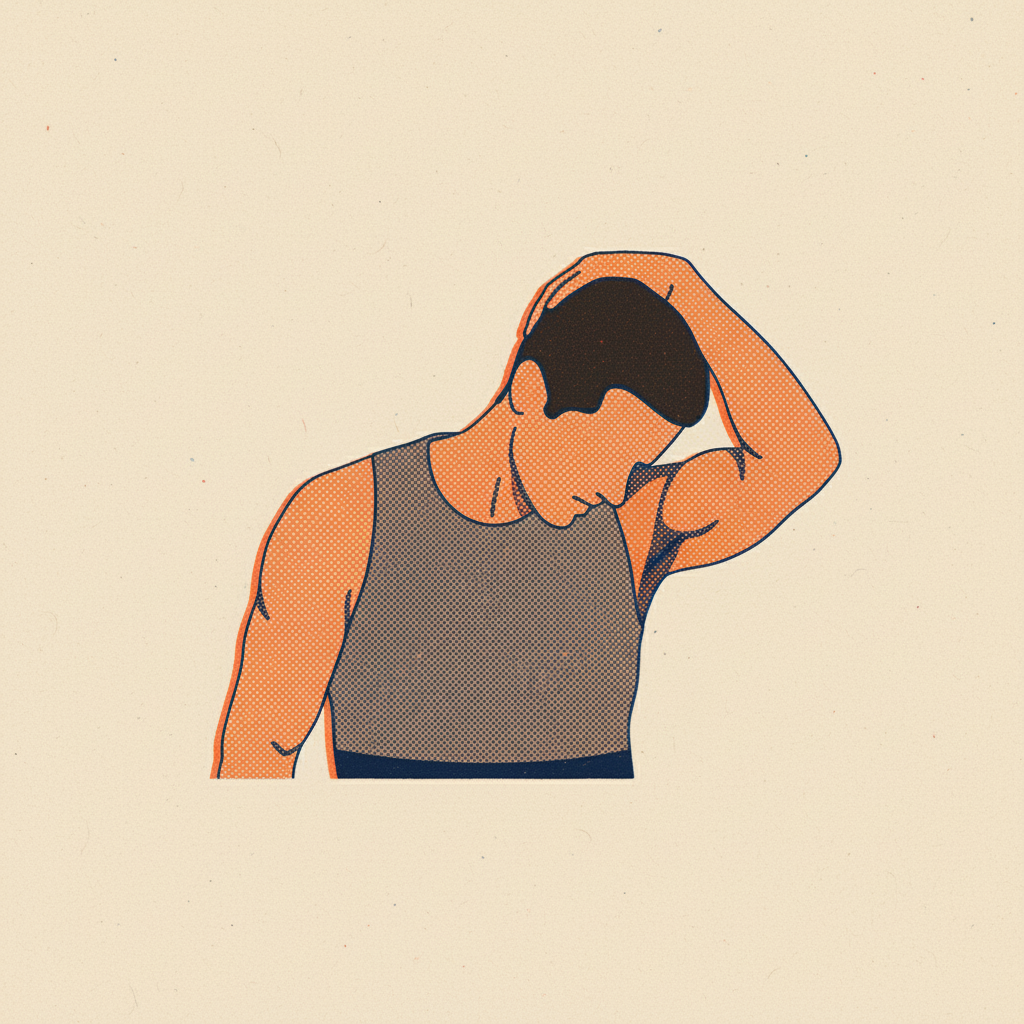
Is that nagging ache in your neck a constant companion? Do you find yourself ending the day with a stiff, tight feeling from your shoulders up to the base of your skull? You're not alone. In our modern world of screens, stress, and sedentary habits, neck pain—often dubbed 'tech neck'—has become incredibly common.
The neck is a complex and vital structure, a bridge that supports our head while allowing for a wide range of motion. When the muscles supporting it become weak, tight, or imbalanced, it can lead to discomfort, headaches, and limited mobility. But the good news is you have the power to change this. By incorporating targeted mobility exercises and gentle stretches into your routine, you can release tension, build supportive strength, and reclaim a sense of ease and freedom in your neck and upper body.
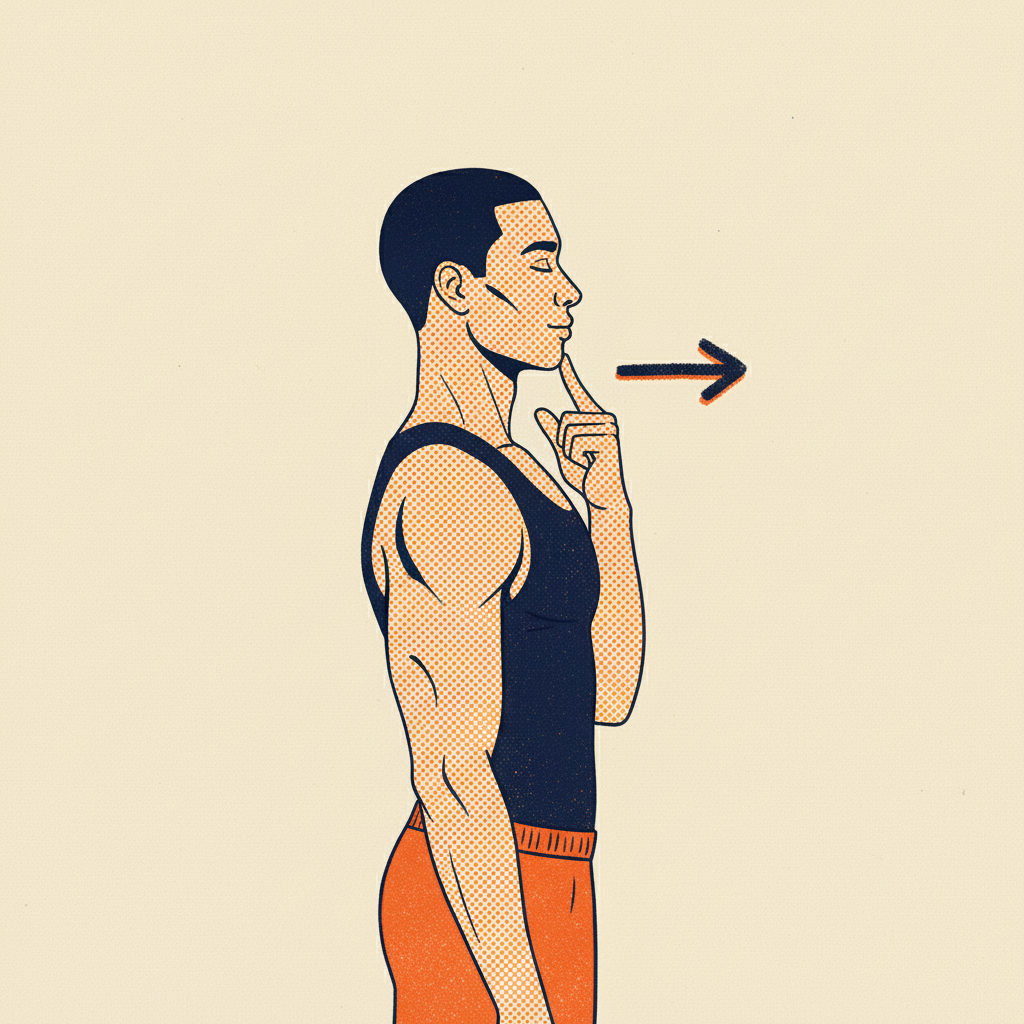
Chin Retractions
This is the ultimate exercise for combating 'tech neck' or forward head posture. It strengthens the deep cervical flexor muscles at the front of your neck and gently stretches the tight muscles at the back, helping to realign your head over your spine.
How to
- Sit or stand tall with a neutral spine, shoulders relaxed down and back.
- Keeping your gaze level with the horizon, gently glide your chin and head straight back.
- Imagine you are making a 'double chin' without tilting your head up or down.
- You should feel a gentle stretch along the back of your neck.
- Hold for 3-5 seconds, then slowly release back to the starting position. Repeat 5-10 times.
Watch Out
Avoid tilting your chin down towards your chest or up towards the ceiling. The movement should be purely horizontal, like a drawer sliding back into a cabinet.
Chin Retractions
Tap to start practice
Cat Cow
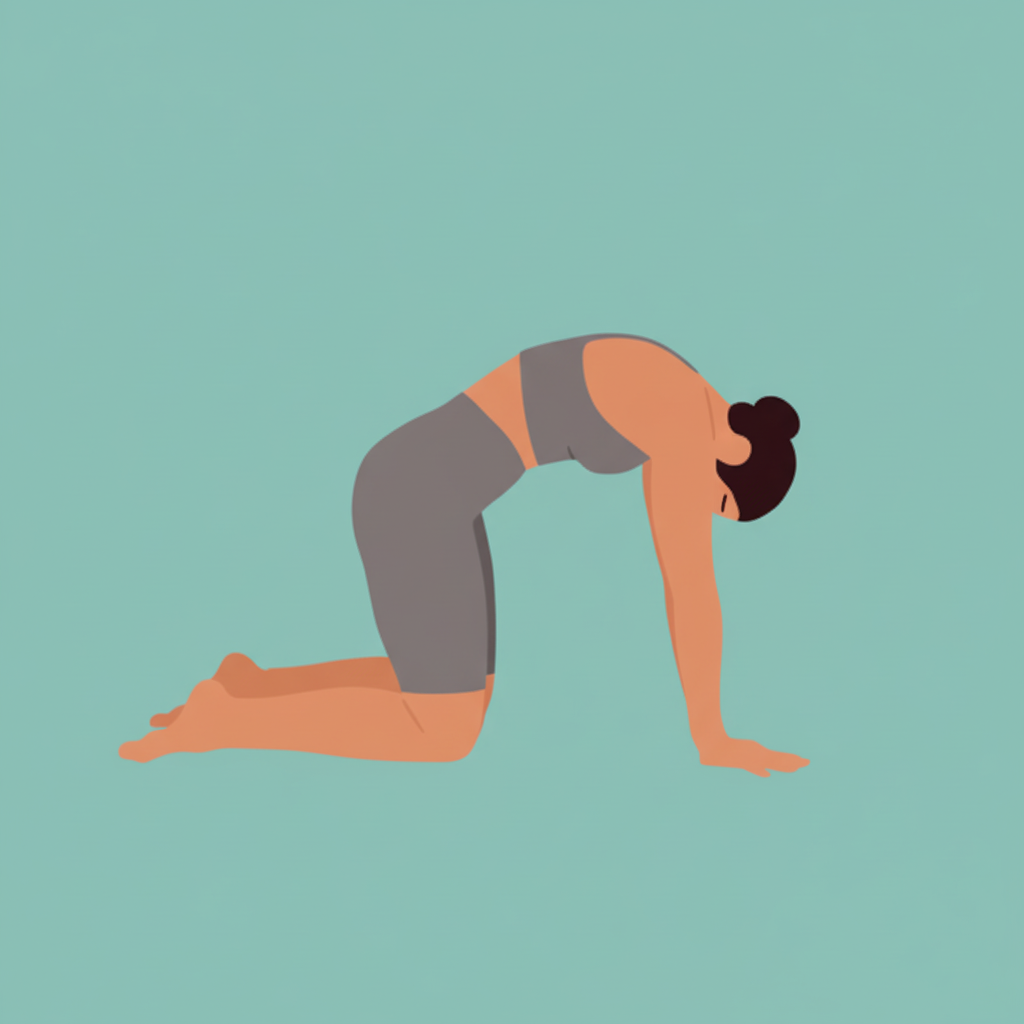
Cat-Cow is a foundational mobility exercise for the entire spine, including the neck (cervical spine). It encourages gentle flexion and extension, warming up the vertebrae and releasing tension that can travel up from the back into the neck.
How to
- Start on your hands and knees in a tabletop position, with wrists under shoulders and knees under hips.
- Inhale as you drop your belly, lift your chest forward, and raise your gaze (Cow Pose). Allow the neck to be a natural extension of the spine's curve.
- Exhale as you press into your hands, round your upper back, and gently tuck your chin towards your chest (Cat Pose).
- Flow between these two positions, synchronizing your movement with your breath.
Watch Out
Cranking the neck back sharply in Cow Pose or forcing the chin to touch the chest in Cat Pose. The movement should be fluid and originate from the spine, not just the neck.
Cat Cow
Tap to start practice
Relieve Tech Neck in 5 Minutes
We turned this exact routine into an interactive session with guided timers and audio cues. No login required to start.
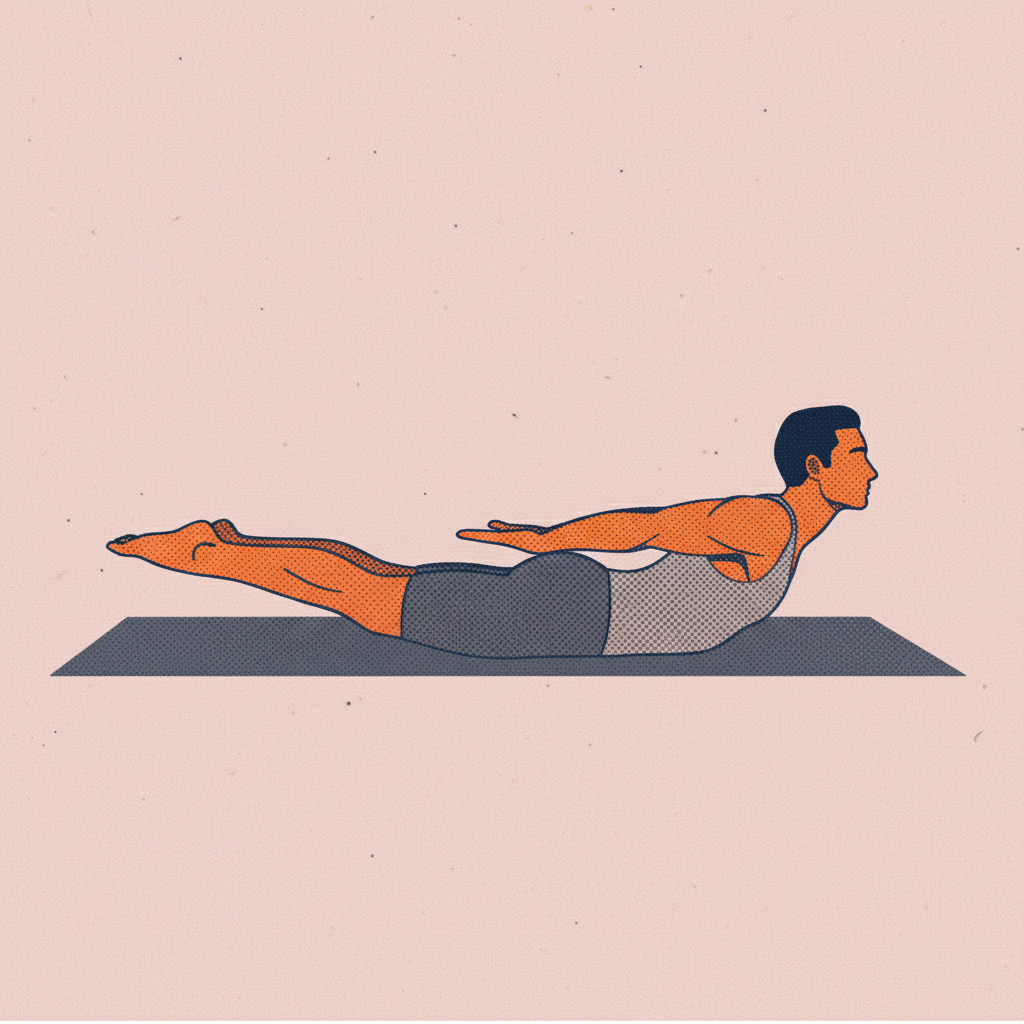
Locust Pose
A strong back is essential for supporting a healthy neck. Locust Pose strengthens the entire posterior chain, including the erector spinae muscles along the spine and the extensors in the back of the neck, which are crucial for maintaining good posture.
How to
- Lie on your stomach with your legs together and your arms alongside your body, palms facing up.
- Rest your forehead on the mat.
- On an inhale, engage your back and glutes to lift your head, chest, arms, and legs off the floor.
- Keep the back of your neck long by gazing slightly forward and down, rather than up at the ceiling.
- Hold for 3-5 breaths, then exhale to release.
Watch Out
Lifting the head too high and crunching the back of the neck. This creates compression. Focus on length from your toes to the crown of your head.
Locust Pose
Tap to start practice
Diver
Diver is a dynamic movement that builds strength and control through the upper back and neck extensors. It teaches you to initiate movement from your mid-back, reducing the tendency to strain the neck.
How to
- Lie on your stomach with your arms extended forward like Superman, forehead on the mat.
- Inhale and engage your back muscles to lift your chest and arms off the floor.
- Keep your neck long, as if you're holding an apple between your chin and chest. Your feet can remain on the floor.
- Exhale and lower back down with control. Repeat for 8-12 repetitions.
Watch Out
Leading the lift with your chin, which strains the neck. Instead, think of lifting your chest forward and up.
Diver
Tap to start practice
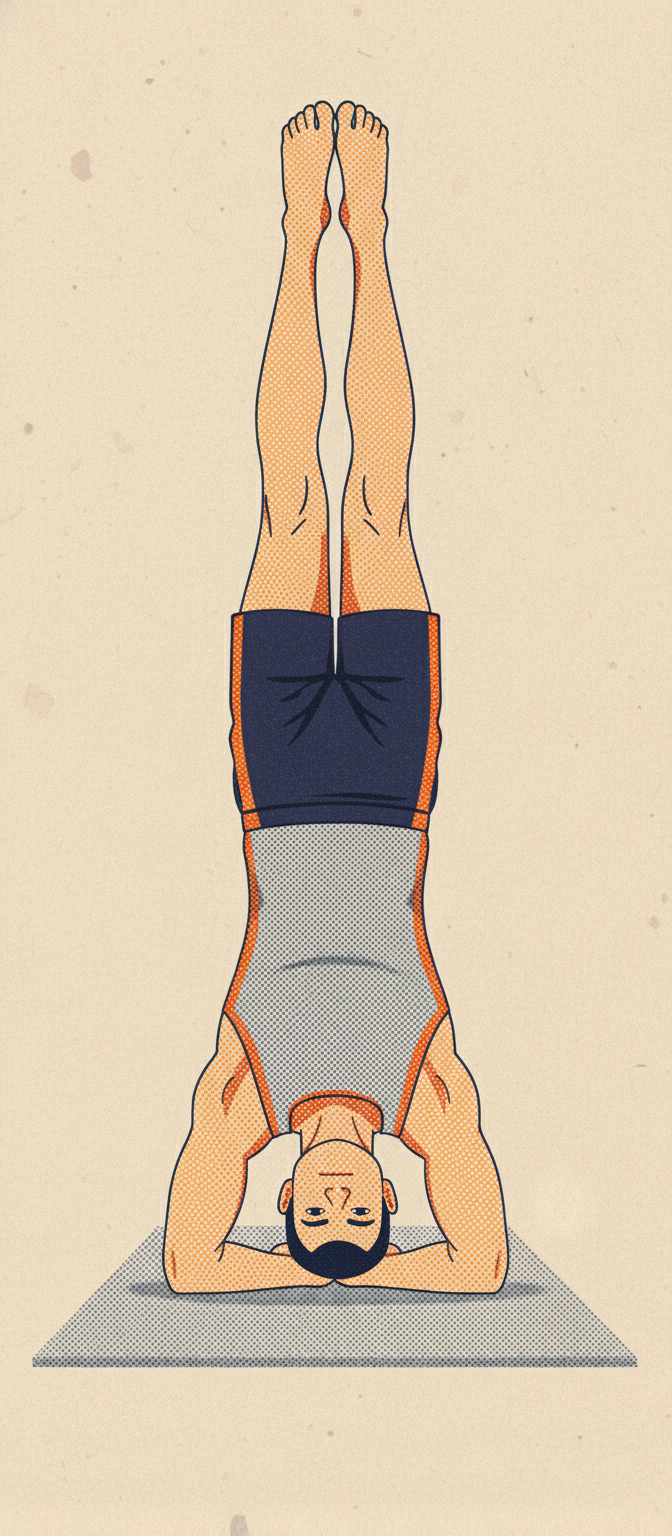
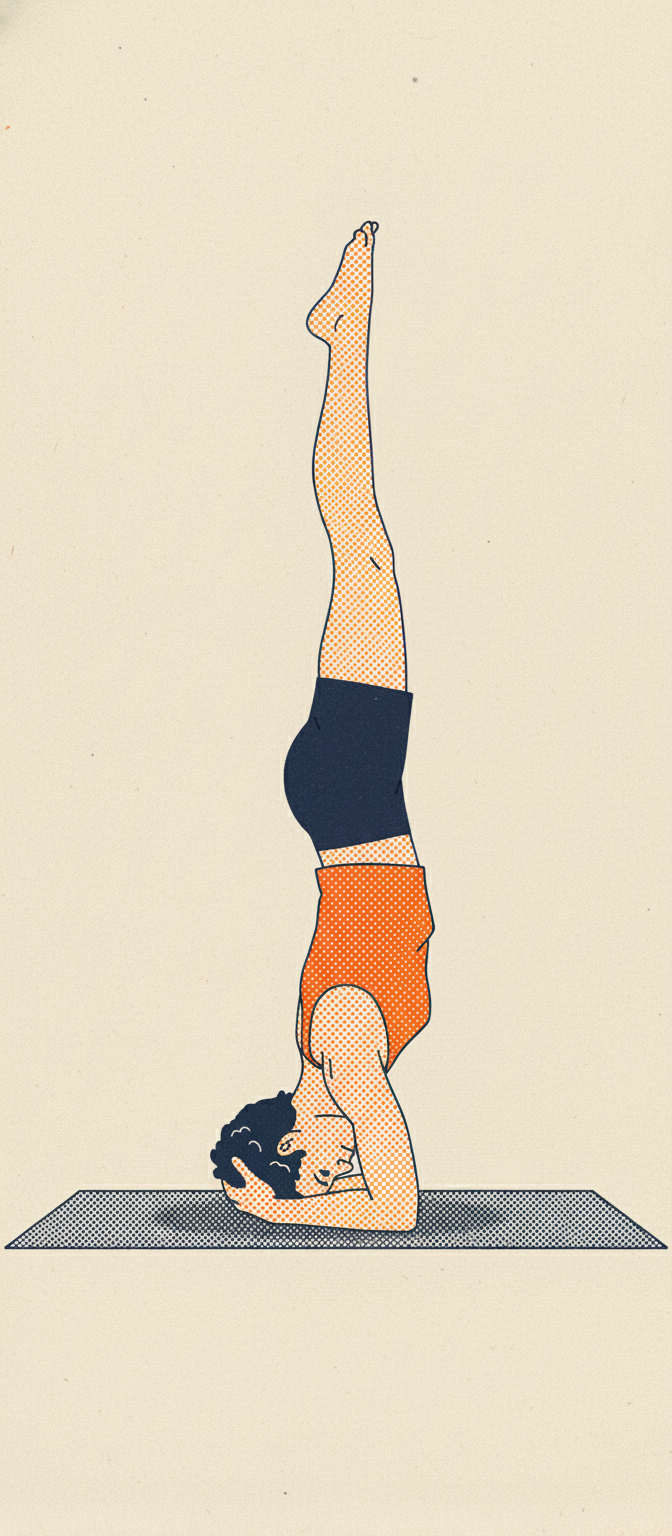
Supported Headstand
IMPORTANT: This is an advanced pose. When performed correctly with a strong foundation, it can strengthen the deep neck stabilizers. The primary goal is to press firmly through the arms and shoulders, creating space and taking the majority of the weight OFF the head and neck.
How to
- Kneel on your mat. Interlace your fingers to create a cup with your hands and place your forearms on the floor, elbows shoulder-width apart.
- Place the very top (crown) of your head on the floor, cupping the back of your head with your hands.
- Press down firmly through your forearms to lift your shoulders away from your ears. This is crucial.
- Tuck your toes, lift your knees, and walk your feet in towards your elbows.
- Engage your core and slowly lift your feet off the floor. Do not kick up.
- This pose should only be attempted after building significant shoulder and core strength.
Watch Out
Dumping weight into the head and neck. Failing to engage the shoulders and core, leading to a collapsed and unstable position. Kicking up against a wall without control.
Supported Headstand
Tap to start practice
Chin Stand
CAUTION: This is a very advanced arm balance and backbend that requires immense strength in the shoulders, back, and core, as well as significant spinal flexibility. It is an expression of strength and control, not a therapeutic stretch for neck pain.
How to
- From a hands and knees position, lower your chest and chin to the floor between your hands, keeping your elbows tucked in (similar to Chaturanga arms).
- Your hips will be high in the air.
- Extend one leg straight up towards the ceiling.
- Engage your core and use your back strength to push off the bottom foot and lift the second leg to meet the first.
- The weight is distributed between your hands and chin.
Watch Out
Placing all the body's weight on the neck and chin, which is extremely dangerous. Lack of shoulder engagement, causing the upper body to collapse.
Chin Stand
Tap to start practice
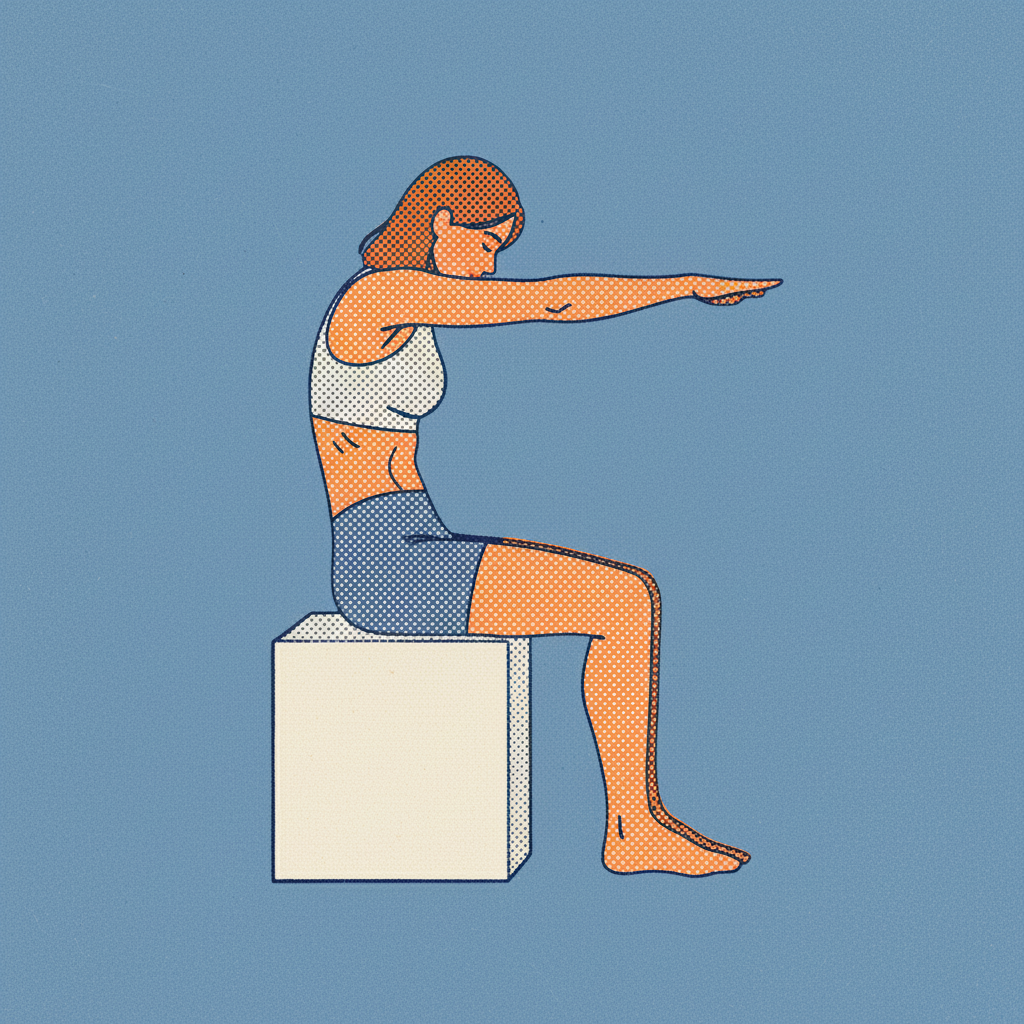
Scapula Stretch
Neck and shoulder tension are deeply connected. This stretch targets the muscles around your shoulder blades (scapulae), like the trapezius and rhomboids, which often hold tension that refers pain up into the neck.
How to
- Sit or stand tall.
- Extend your right arm straight out in front of you.
- Bring the arm across your body. Use your left hand or the crook of your left elbow to gently pull your right arm closer to your chest.
- Keep your right shoulder relaxed and down, away from your ear.
- You should feel a stretch in the back of your shoulder and upper back.
- Hold for 20-30 seconds and then switch sides.
Watch Out
Allowing the shoulder of the stretching arm to shrug up towards the ear. Twisting your torso to deepen the stretch instead of isolating the movement in the shoulder.
Scapula Stretch
Tap to start practice
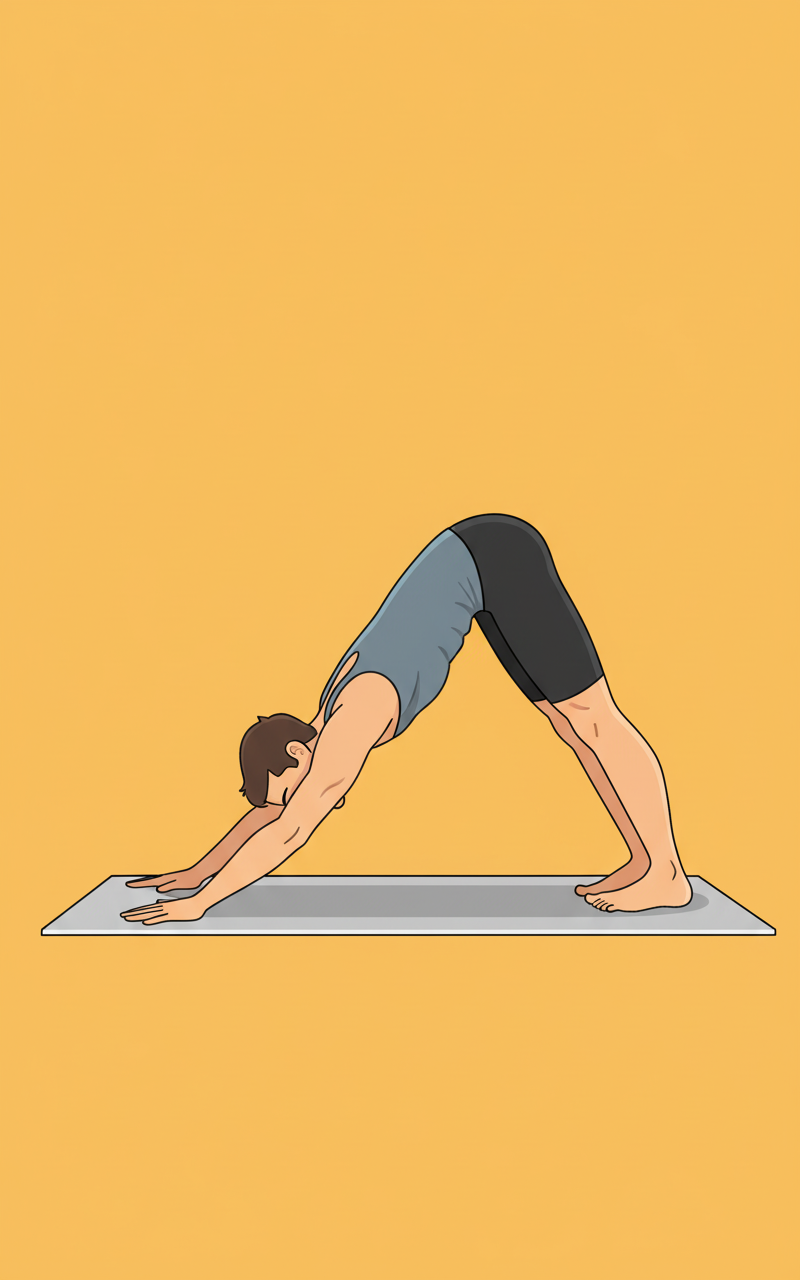
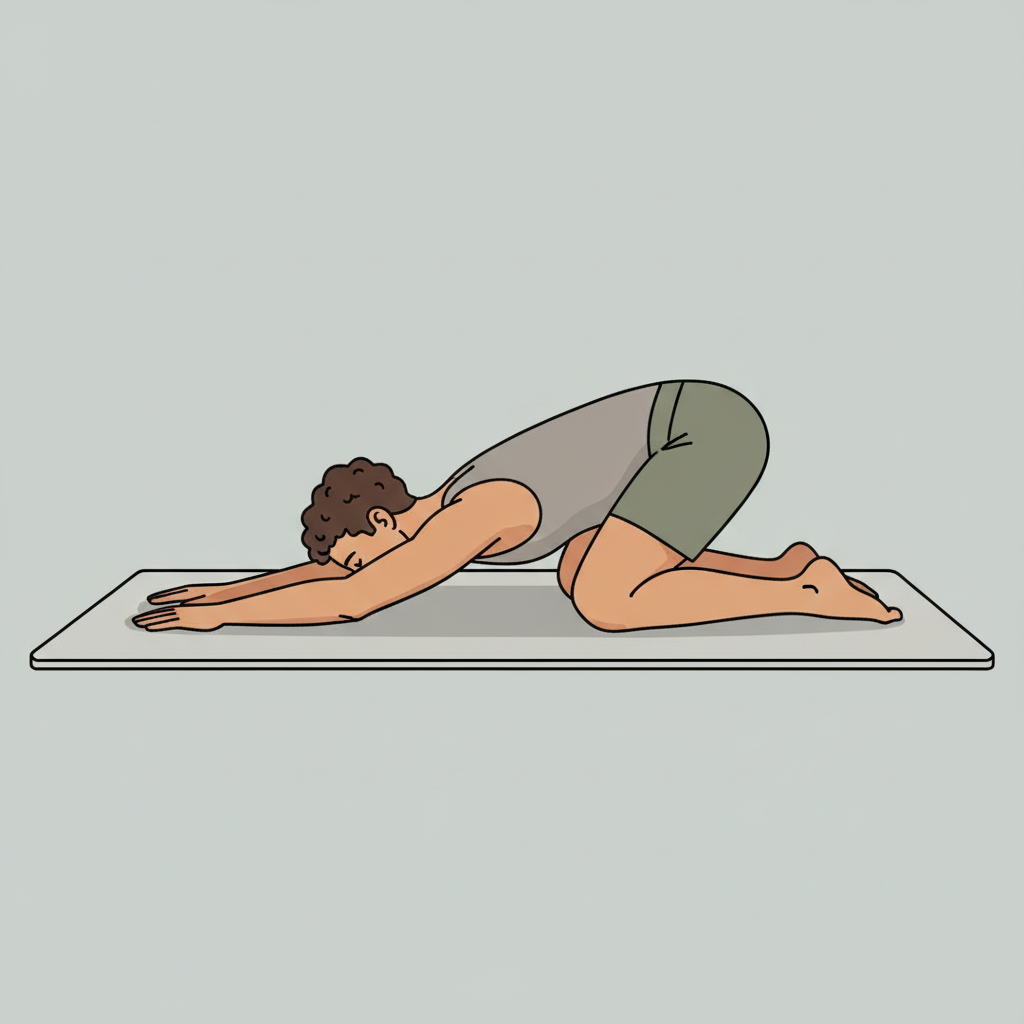
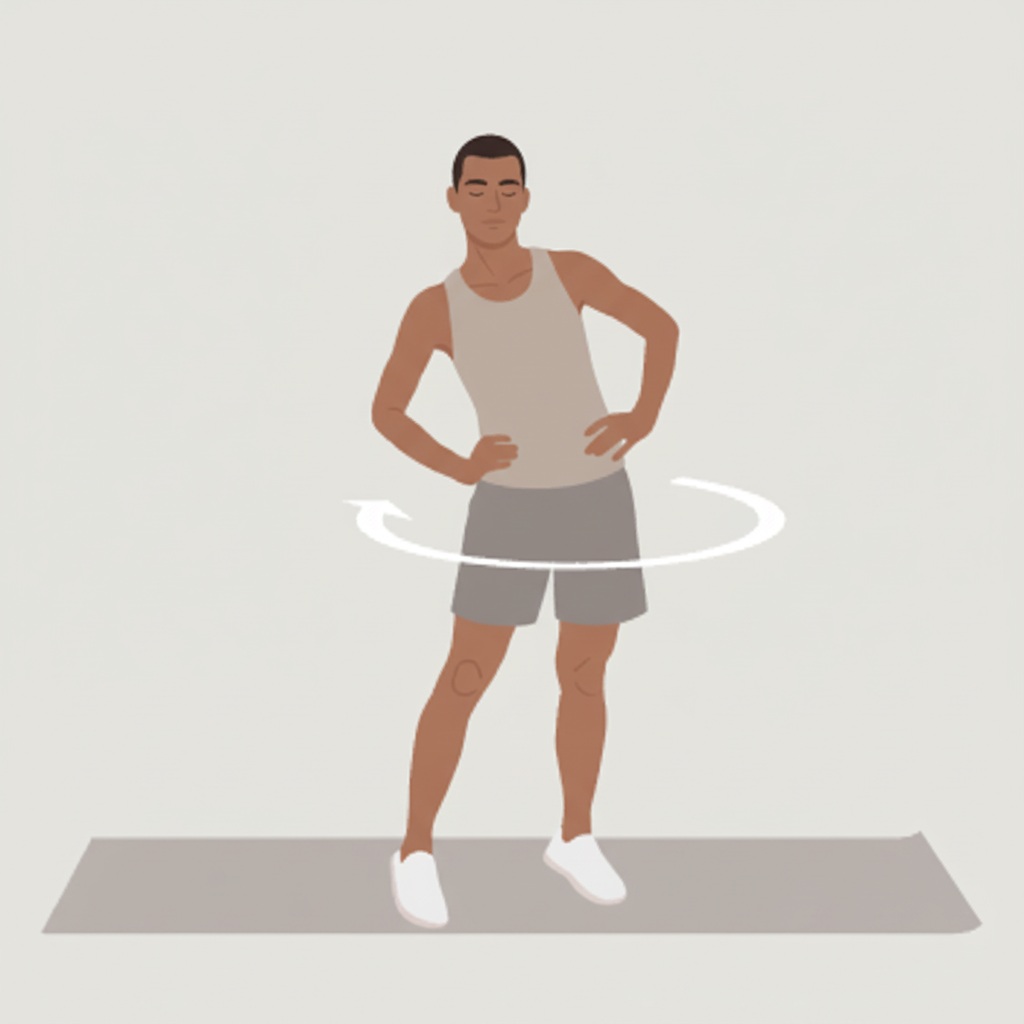
Your personal flow awaits.
Experience a fully personalized AI yoga session tailored to your body and goals. Just tell Flouu what you need.