I fixed my chronic 'Tech Neck' and wrist pain in 6 weeks. Here is the routine.
At a Glance
I work in software dev, which means I spend 8-10 hours a day glued to a screen, and then another 2 hours looking at my phone. About a year ago, the "Tech Neck" symptoms hit me hard.
I had a trifecta of issues: burning pain between my shoulder blades, constant tension headaches at the base of my skull, and numbness in my pinky fingers (ulnar nerve issues from leaning on my elbows).
I spent hundreds on an ergonomic chair, a vertical mouse, and a specialized pillow. They helped a little, but the pain always came back by 2 PM.
The Reality Check
My wake-up call was seeing a side-profile photo of myself at a family BBQ. I looked like a vulture. My neck was craned forward, my shoulders were rolled in, and my upper back was rounded. I realized no chair could fix this; my muscles had physically adapted to that hunched position.
The Protocol
A friend recommended a specific set of mobility exercises targeting the chest, shoulders, and wrists. I committed to doing this routine every single day after work. No skipping.
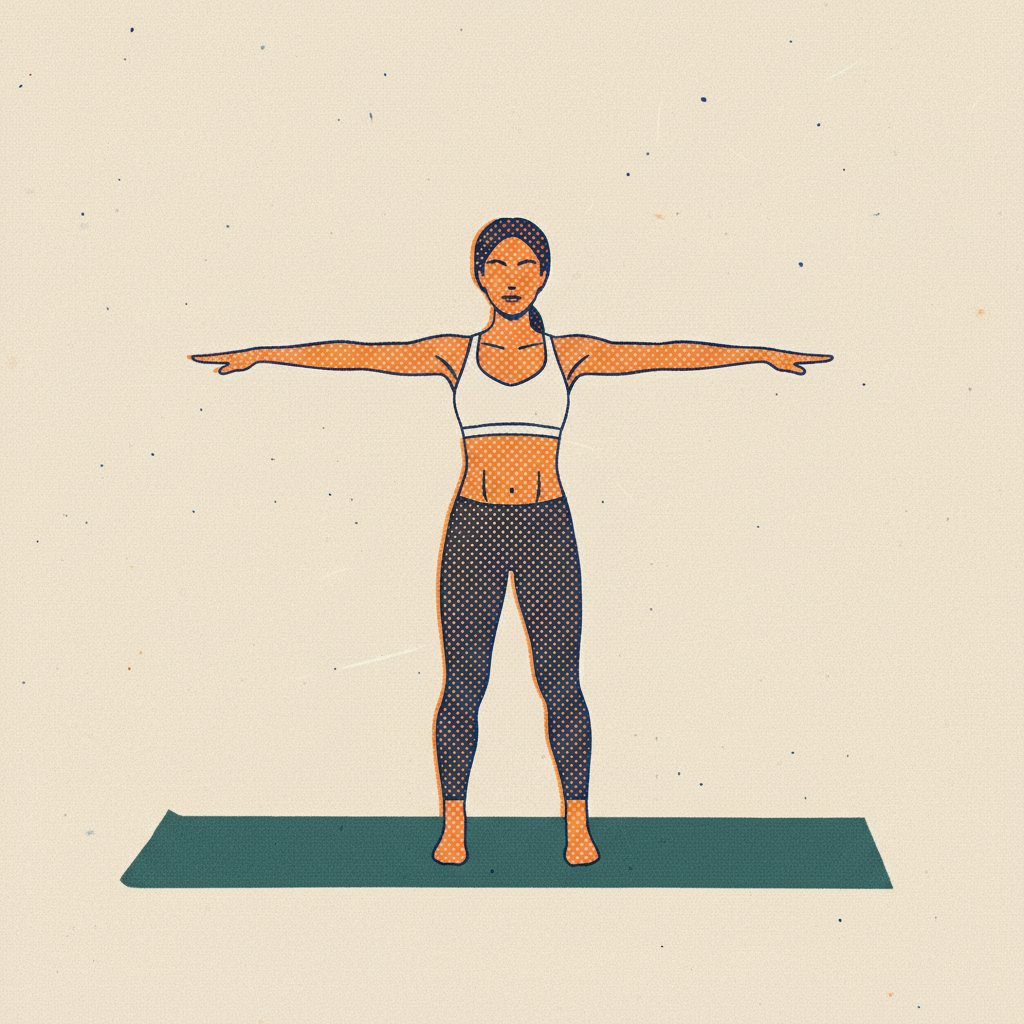
Arm Circles
Gets the synovial fluid moving in the shoulder capsule to prep for deeper stretching.
How to
Stand tall with your feet hip-width apart and arms extended out to the sides. Begin making small circles with your arms, feeling the gentle movement in your shoulders. With each breath, gradually increase the size of the circles, allowing your chest to open and your upper back to engage. Breathe in deeply as you lift your arms slightly higher, and exhale as you bring them back down. At the halfway point, reverse the direction of your circles, maintaining a smooth and fluid motion. Continue for a few more breaths, then gently lower your arms to your sides.
Arm Circles
Tap to start practice
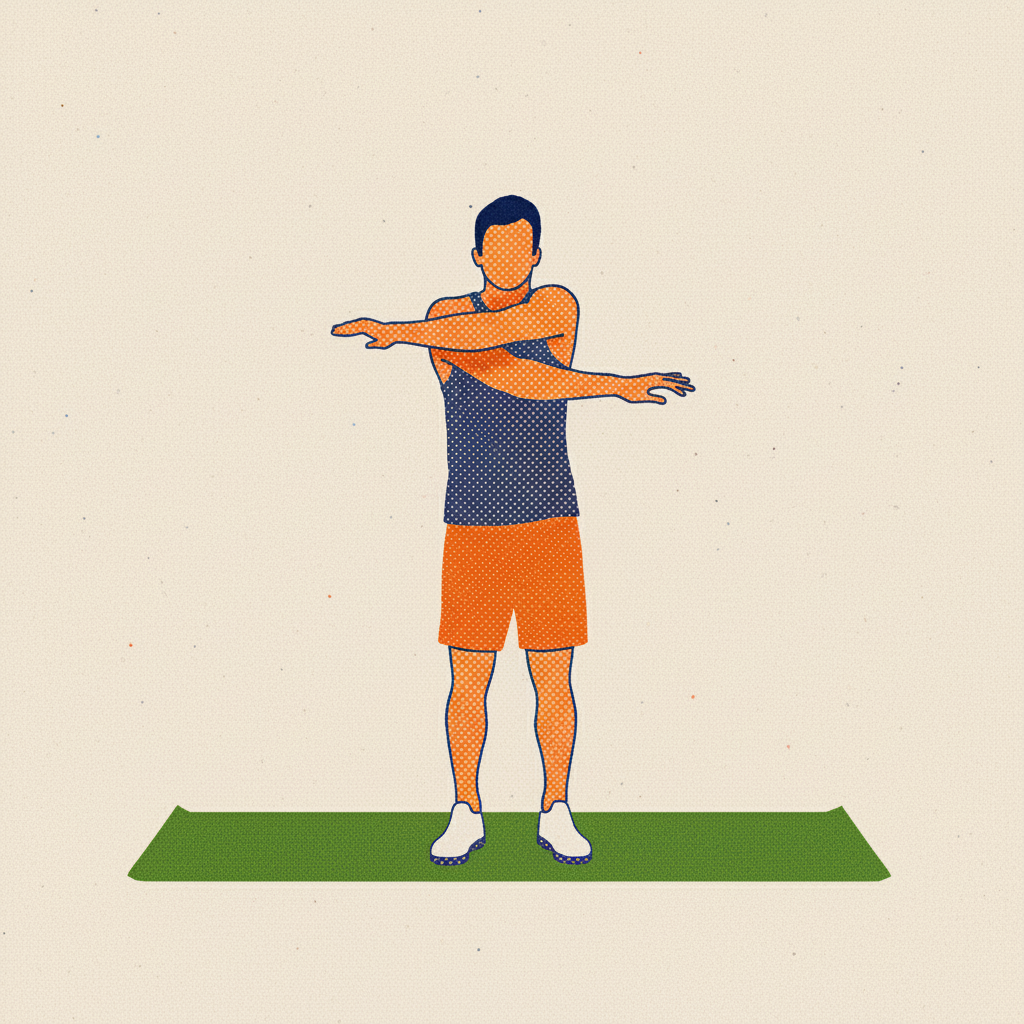
Arm Swings
Dynamically opens the chest and loosens the upper back stiffness caused by hunching.
How to
Stand tall with your feet hip-width apart and arms extended out to the sides. Swing your arms forward, crossing one arm over the other, feeling the stretch in your shoulders and upper back. Breathe in as you open your arms wide, expanding your chest. Exhale as you swing forward again, alternating which arm crosses over. Continue this motion, allowing your breath to guide the rhythm. Feel the energy flow through your body with each swing. After a few more cycles, gently bring your arms back to your sides and take a moment to notice how you feel.
Arm Swings
Tap to start practice
Relieve Tech Neck in 5 Minutes
We turned this exact routine into an interactive session with guided timers and audio cues. No login required to start.
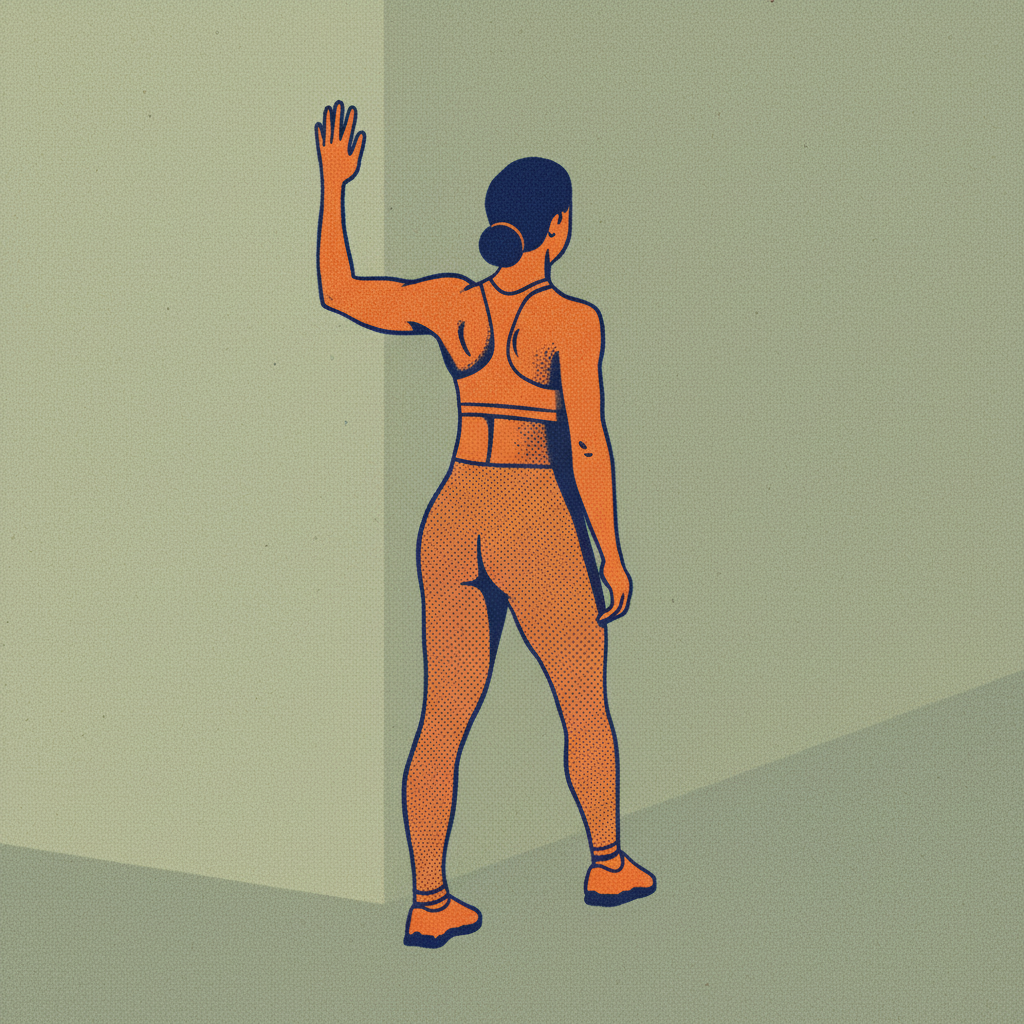
Wall Pecs
Directly counters the shortened pectoral muscles from typing all day.
How to
Stand tall in an open doorway or at a corner of a wall. Press your palm and forearm against the wall at shoulder height, creating a 90-degree angle at your elbow. Step forward with one leg, gently leaning into the stretch. Feel the opening across your chest and shoulders. Breathe deeply, allowing your chest to expand with each inhale. As you exhale, relax into the stretch a little more. Hold for a few breaths, feeling the release. When ready, step back and switch sides, maintaining your posture and breath.
Wall Pecs
Tap to start practice
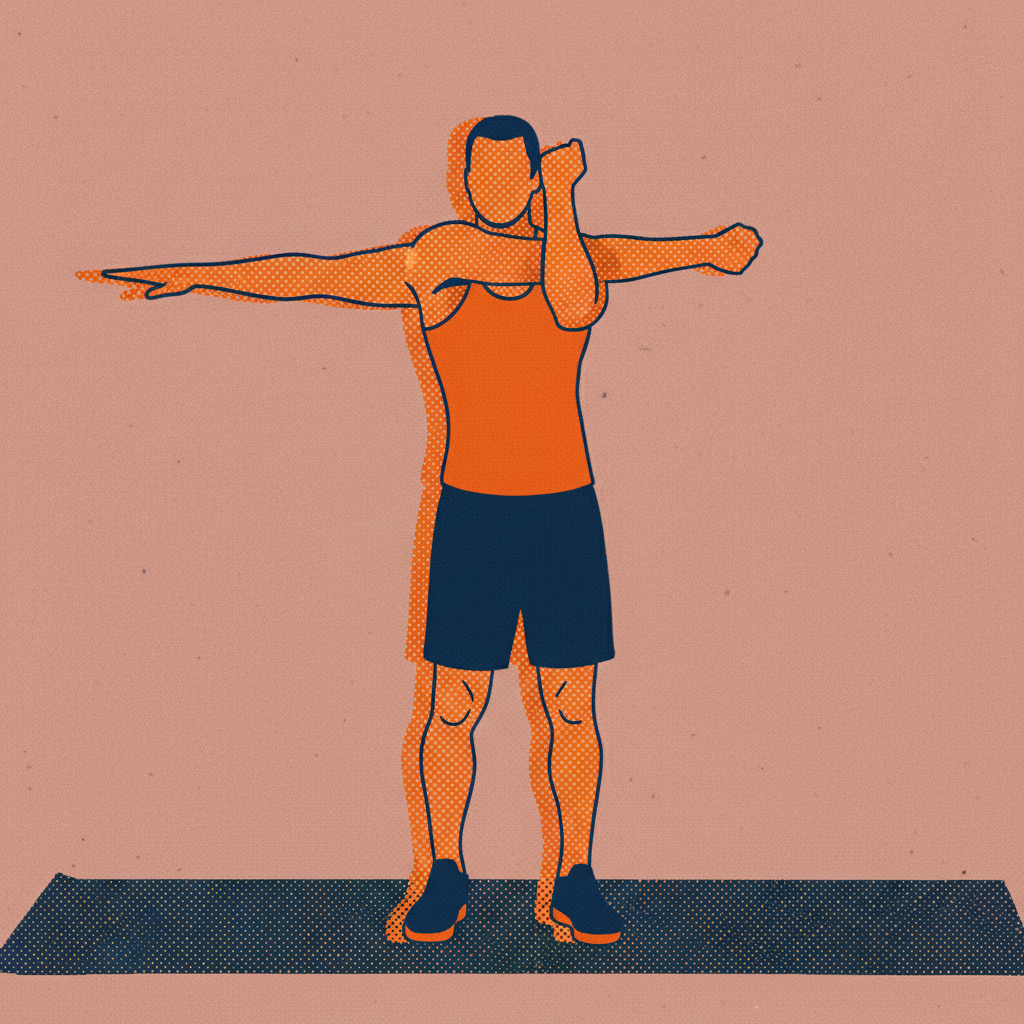
One Arm Hug
Releases tension in the rear deltoids and upper back traps.
How to
Stand tall with your back straight and arms relaxed at your sides. Extend one arm across your body towards the opposite shoulder. Gently hook your other arm around the extended arm, drawing it closer to your chest. Feel the stretch in your shoulder and lats as you breathe deeply. Inhale, expanding your chest, and exhale, allowing your body to relax into the stretch. Hold for a few breaths, noticing the release in tension. When you're ready, gently release the hug and switch to the other side.
One Arm Hug
Tap to start practice
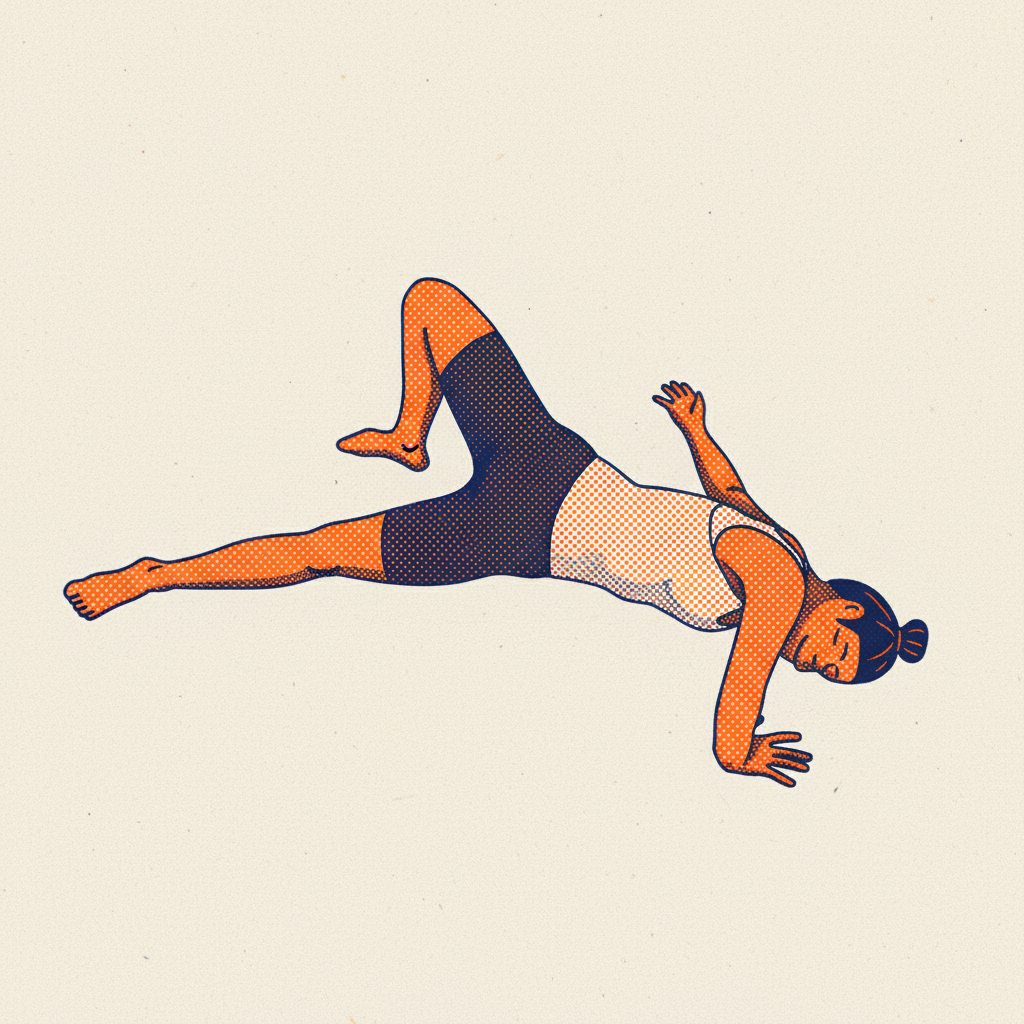
Shoulder Opener
A deep stretch for the anterior shoulder that helps pull the shoulders back into alignment.
How to
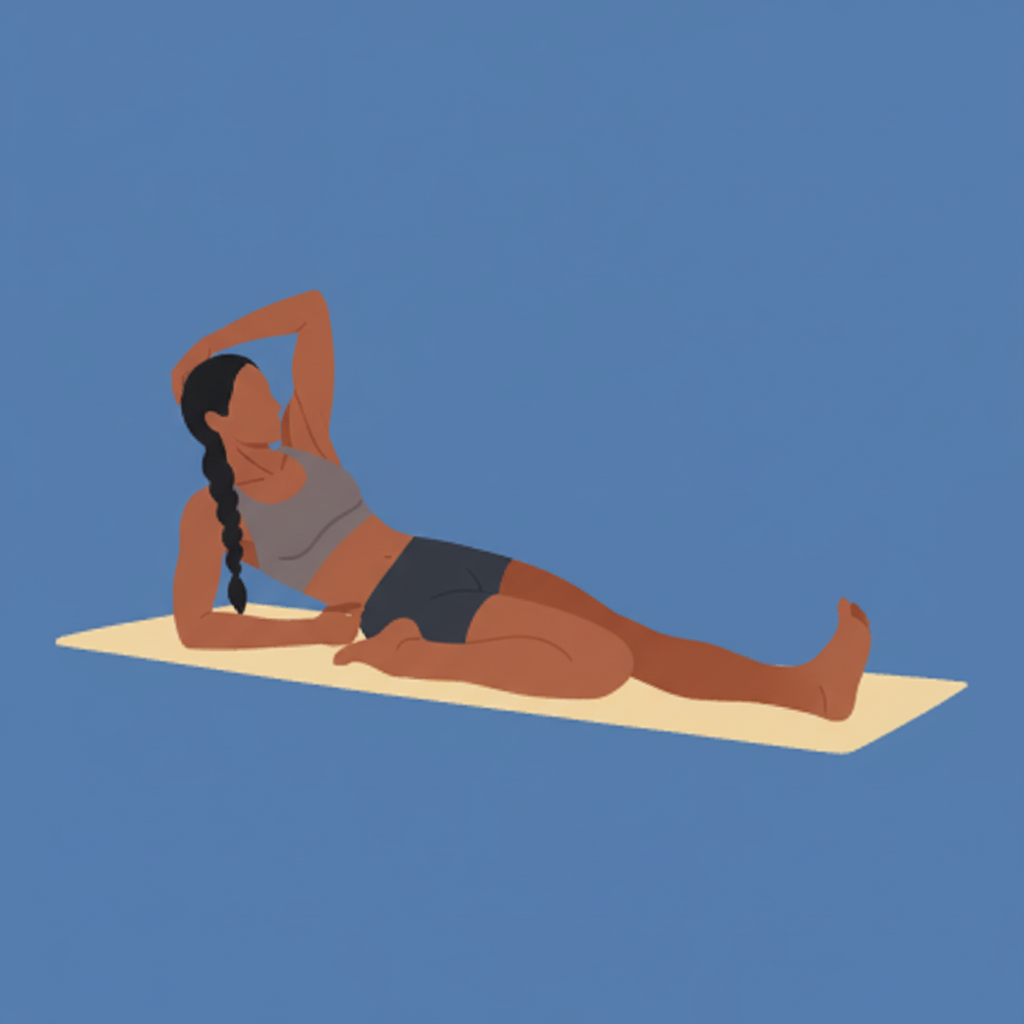
Lie on your stomach with your arms extended out to the sides. Roll onto one side, bringing your opposite leg over and placing your foot flat on the floor behind your bottom leg. Keep your bottom arm extended, letting the weight of your top leg open your chest and shoulder. Use your opposite hand to gently press into the floor for support, deepening the stretch. Breathe deeply, feeling the expansion in your chest with each inhale, and relax into the stretch with each exhale. After a few breaths, gently transition to the other side.
Shoulder Opener
Tap to start practice
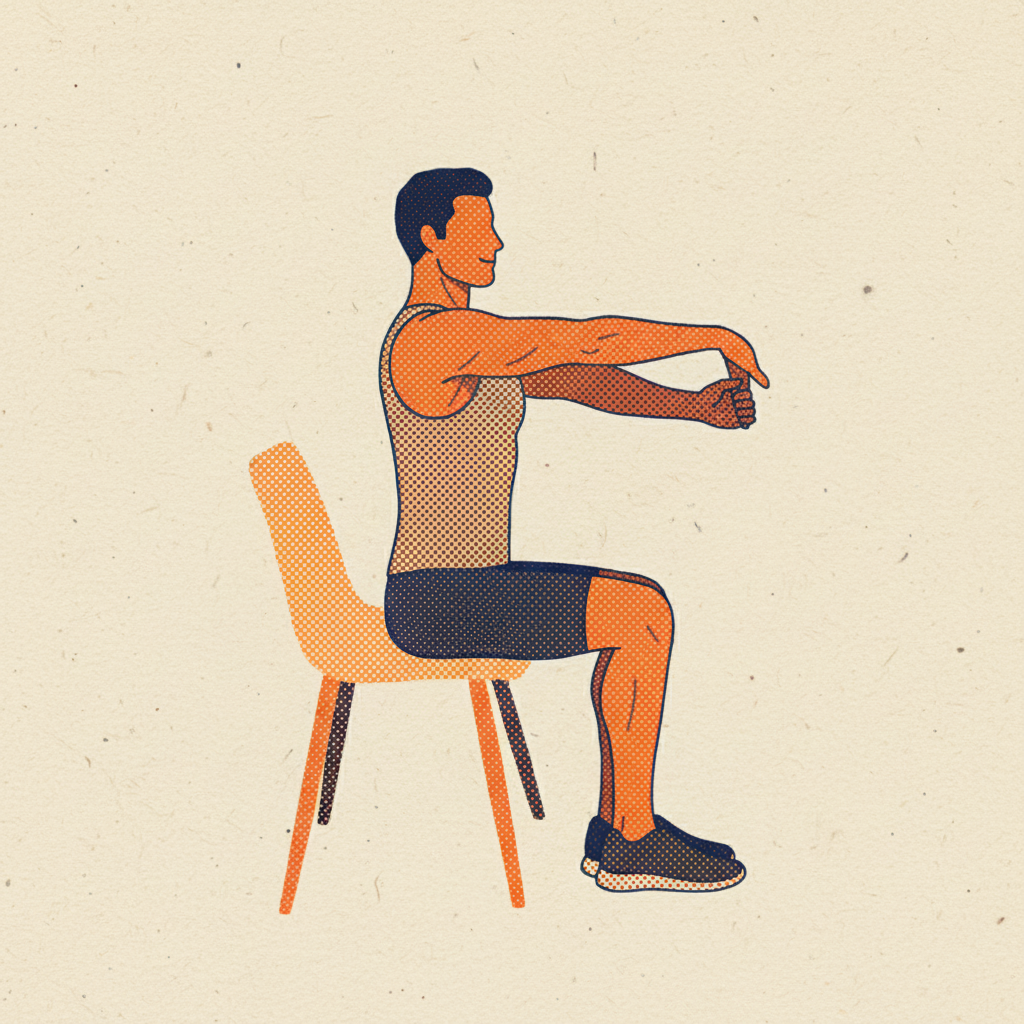
Forearm Stretch
Crucial for preventing carpal tunnel and relieving elbow tension from keyboard use.
How to
Sit up straight with your arms relaxed at your sides. Extend one arm in front of you, palm facing up. Gently pull your fingers back towards your body with your opposite hand. Feel the stretch in your forearm as you take a deep breath in. Exhale slowly, allowing your body to relax into the stretch. Inhale deeply again, feeling the gentle pull. Exhale, letting go of any tension. Continue breathing steadily, feeling the release with each breath. When you're ready, switch to the other side and repeat the stretch.
Forearm Stretch
Tap to start practice
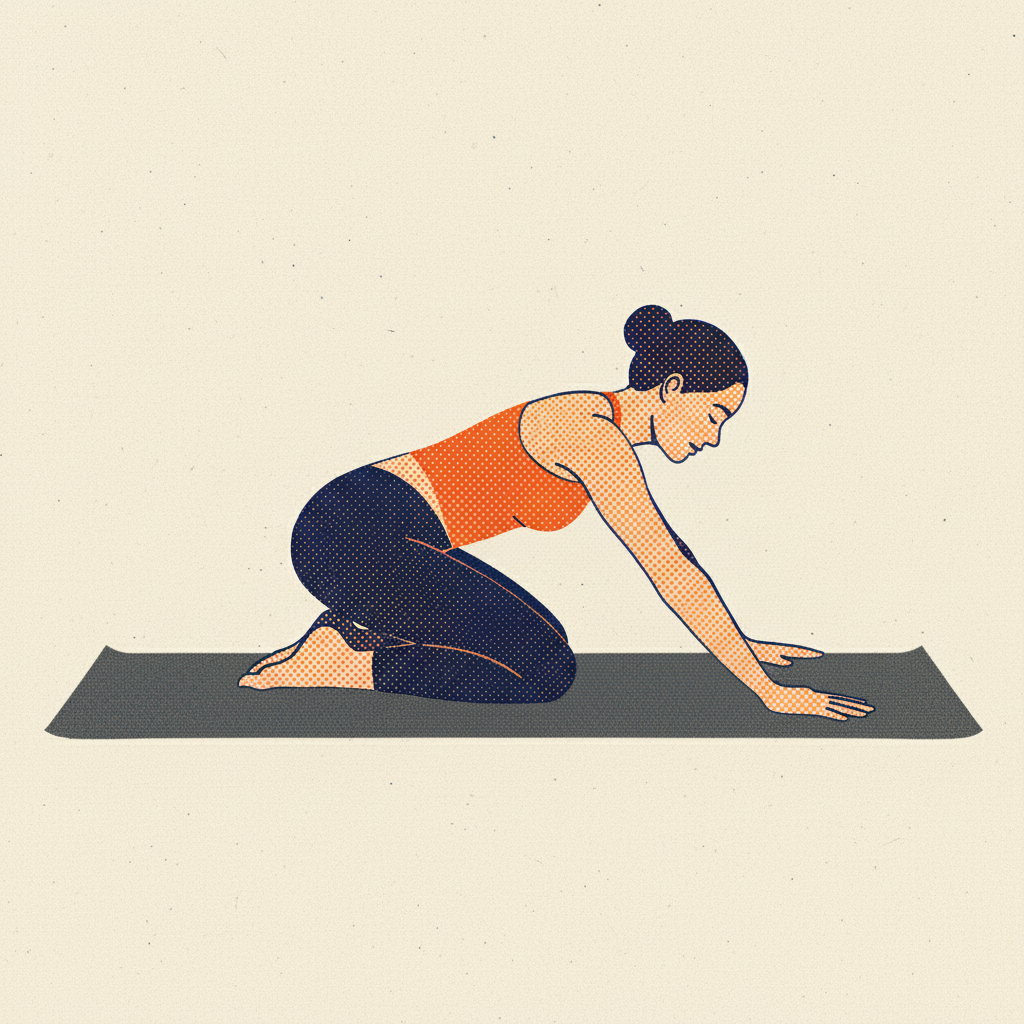
Wrist Flexion
Stretches the top of the wrist, which is often neglected but tight from mouse usage.
How to
Place the tops of your hands flat on the floor, fingers pointing towards your body. Walk your knees closer to your hands. Gently lean back, lowering your hips towards your heels while pressing your hands into the ground. Feel the stretch in your wrists and forearms as you breathe deeply. Inhale, allowing your body to relax further into the pose. Exhale, releasing any tension. Continue to breathe, feeling the gentle pull in your wrists. With each breath, sink a little deeper. When ready, slowly walk your knees back and return to a neutral position.
Wrist Flexion
Tap to start practice
Reverse Butterfly
Addresses hip internal rotation, helping to reset the pelvis after sitting.
How to
Lie on your back with your knees bent and feet flat on the floor. Widen your feet beyond shoulder-width, allowing your knees to gently fall towards each other. Feel the stretch in your hips and thighs as you breathe deeply. Inhale, expanding your chest, and exhale, letting go of any tension. With each breath, allow your knees to relax closer together, deepening the stretch. Stay present in this moment, feeling the release in your body. When you're ready, gently bring your knees back to a neutral position and prepare to transition.
Reverse Butterfly
Tap to start practice
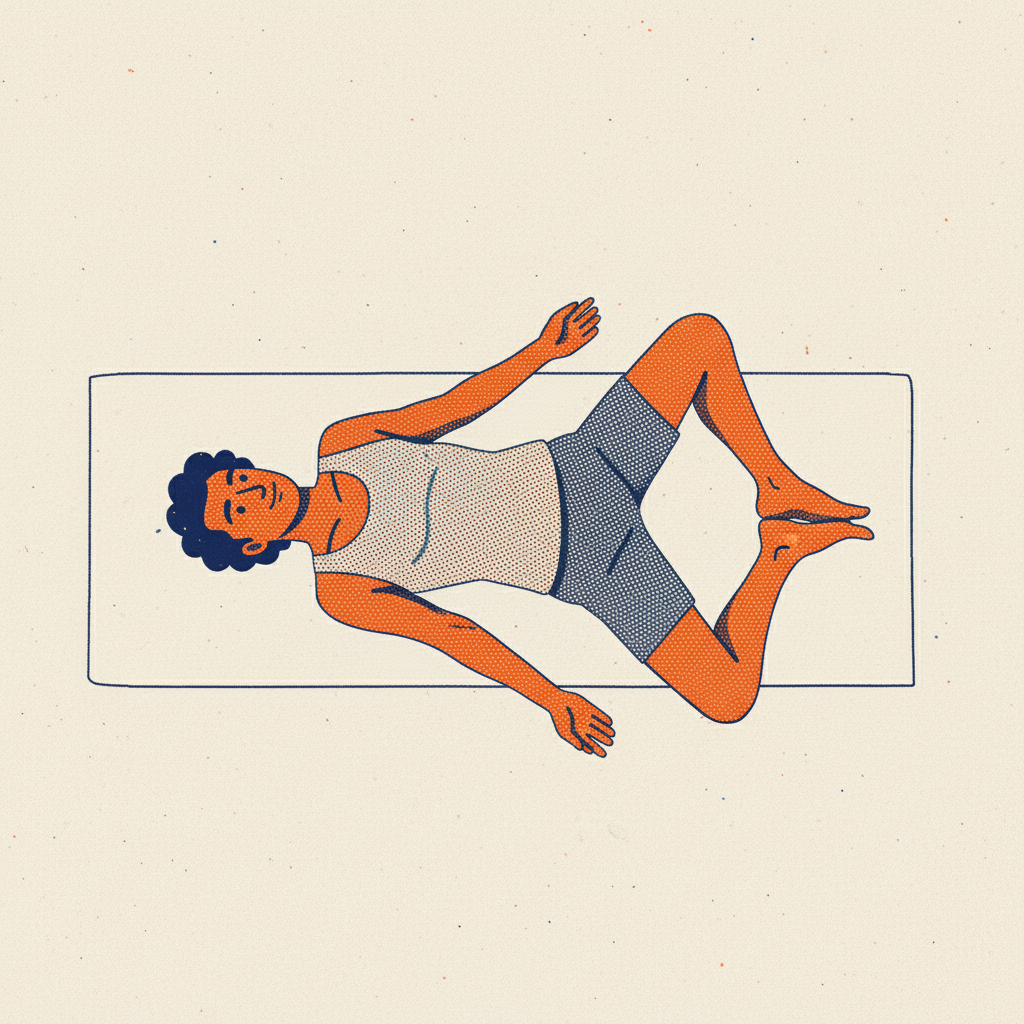
Reclined Butterfly
Passively opens the hips and allows the lower back to settle into the floor.
How to
Lie on your back with your knees bent and feet flat on the floor. Bring the soles of your feet together, allowing your knees to gently fall out to the sides. Relax your arms alongside your body, palms facing up. Take a deep breath in, feeling your belly rise. As you exhale, let your hips soften and your lower back relax into the ground. With each breath, invite a sense of ease into your hips and groin. Stay here for a few cycles, enjoying the gentle stretch. When you're ready, slowly bring your knees back together and transition to a comfortable position.
Reclined Butterfly
Tap to start practice
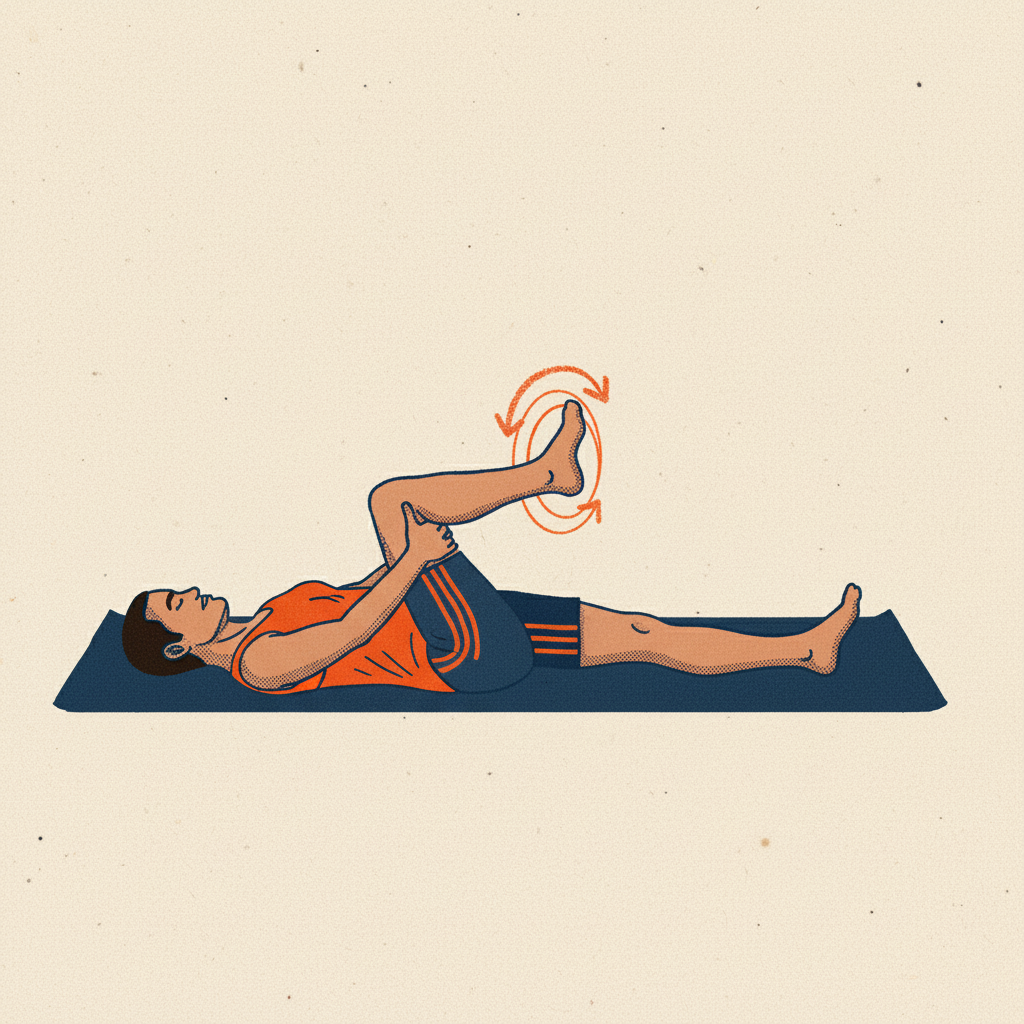
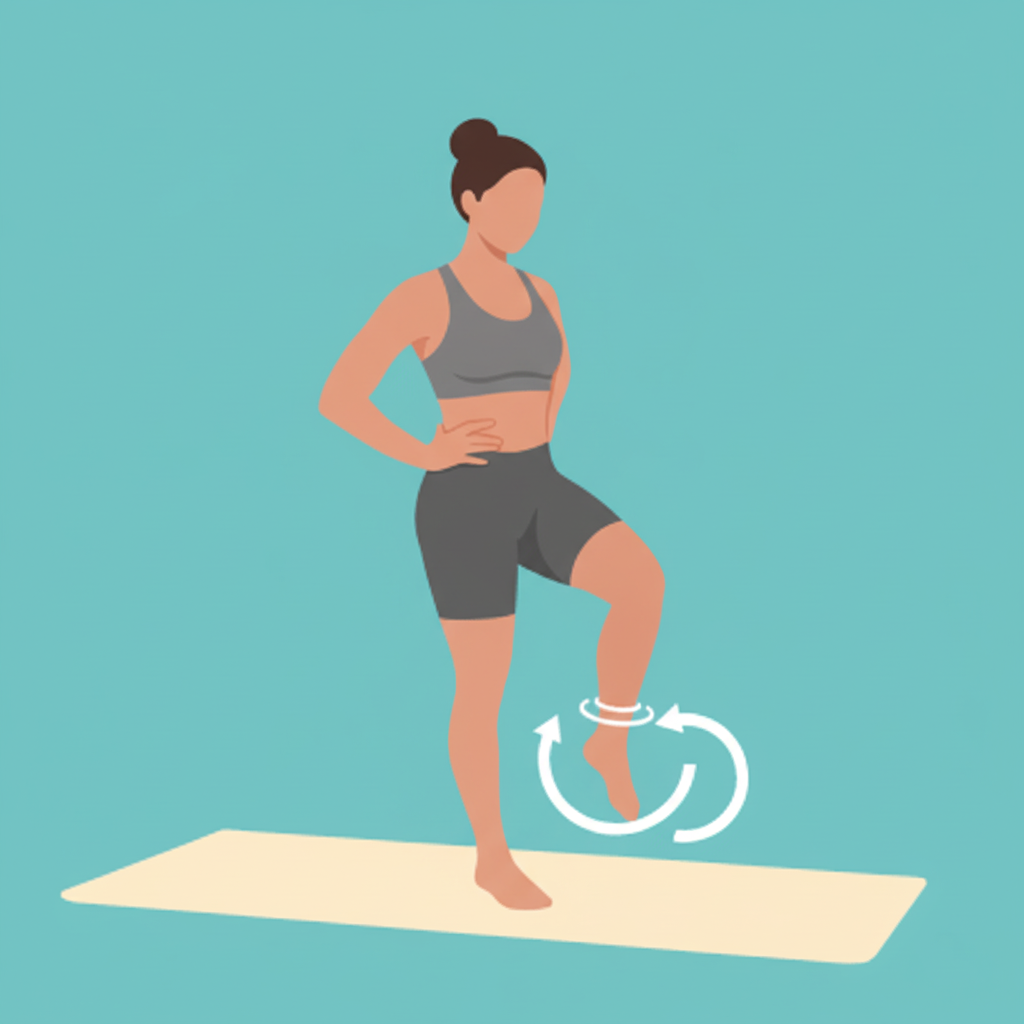
Lying Ankle Circles
Promotes blood flow to the lower extremities after long periods of inactivity.
How to
Lie on your back with your legs extended and arms relaxed at your sides. Bend one knee, drawing it gently toward your chest, and hold your thigh with both hands. Begin to rotate your foot in a smooth circular motion. After a few circles, switch directions. Keep your breath steady and relaxed, allowing your ankle to move freely. Feel the gentle stretch and mobility in your ankle with each rotation. When you're ready, slowly lower your foot back to the ground and switch to the other side.
Lying Ankle Circles
Tap to start practice
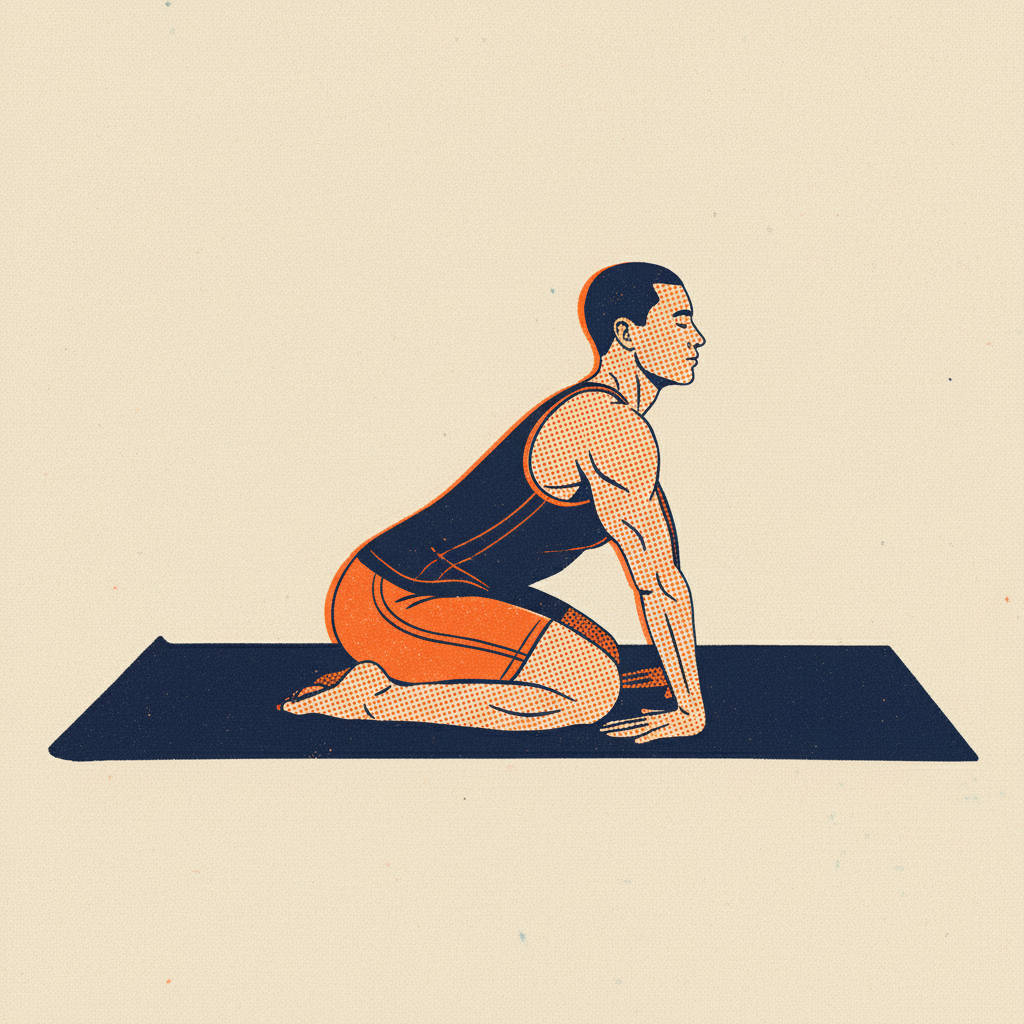
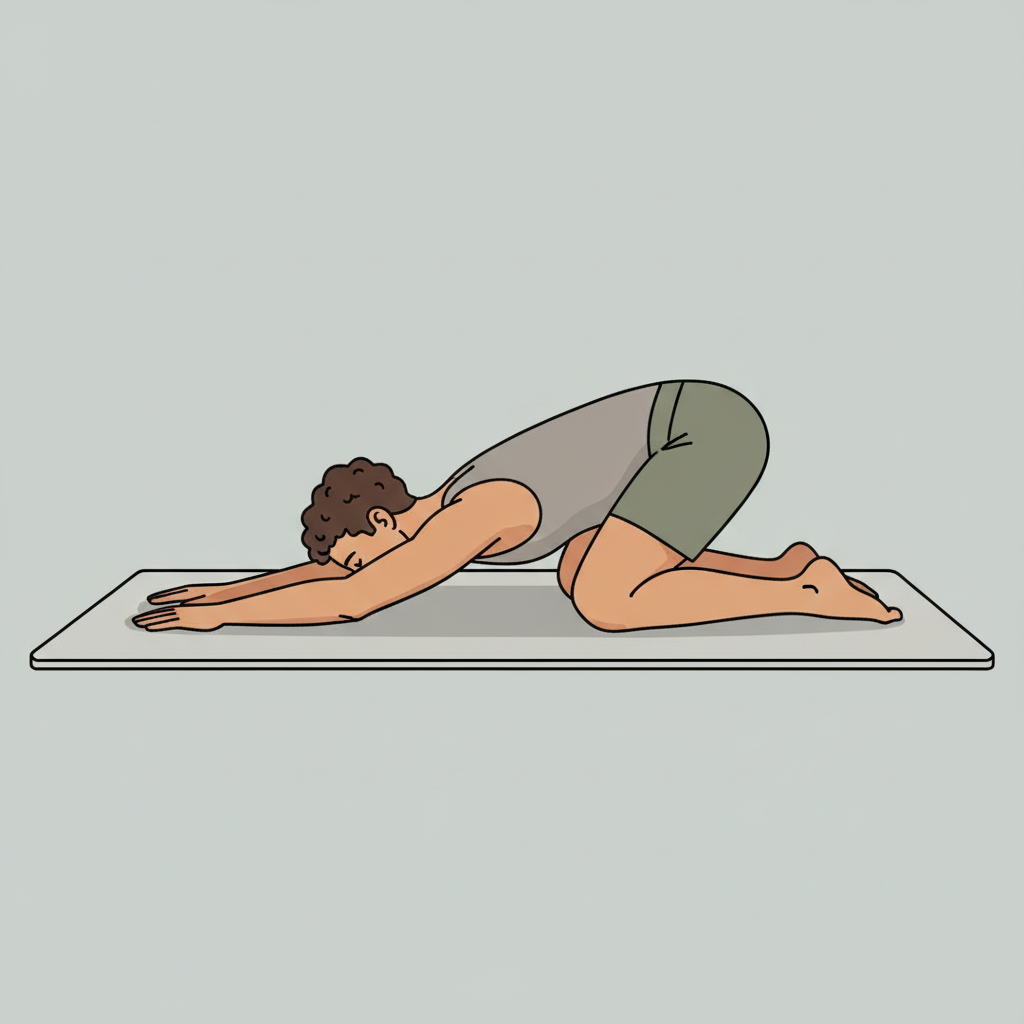
Toe Stretch
Releases the plantar fascia, which can get stiff from wearing shoes while sitting all day.
How to
Tuck your toes under and gently lean back, lowering your hips toward your heels. Feel the stretch in your feet and ankles. Breathe deeply, allowing your body to relax with each exhale. Keep your hands pressing into the floor for support. With each breath, sink a little deeper into the stretch, noticing any sensations. Stay present and let go of any tension. After a few breaths, slowly transition back to a seated position, releasing your toes and allowing your feet to relax.
Toe Stretch
Tap to start practice
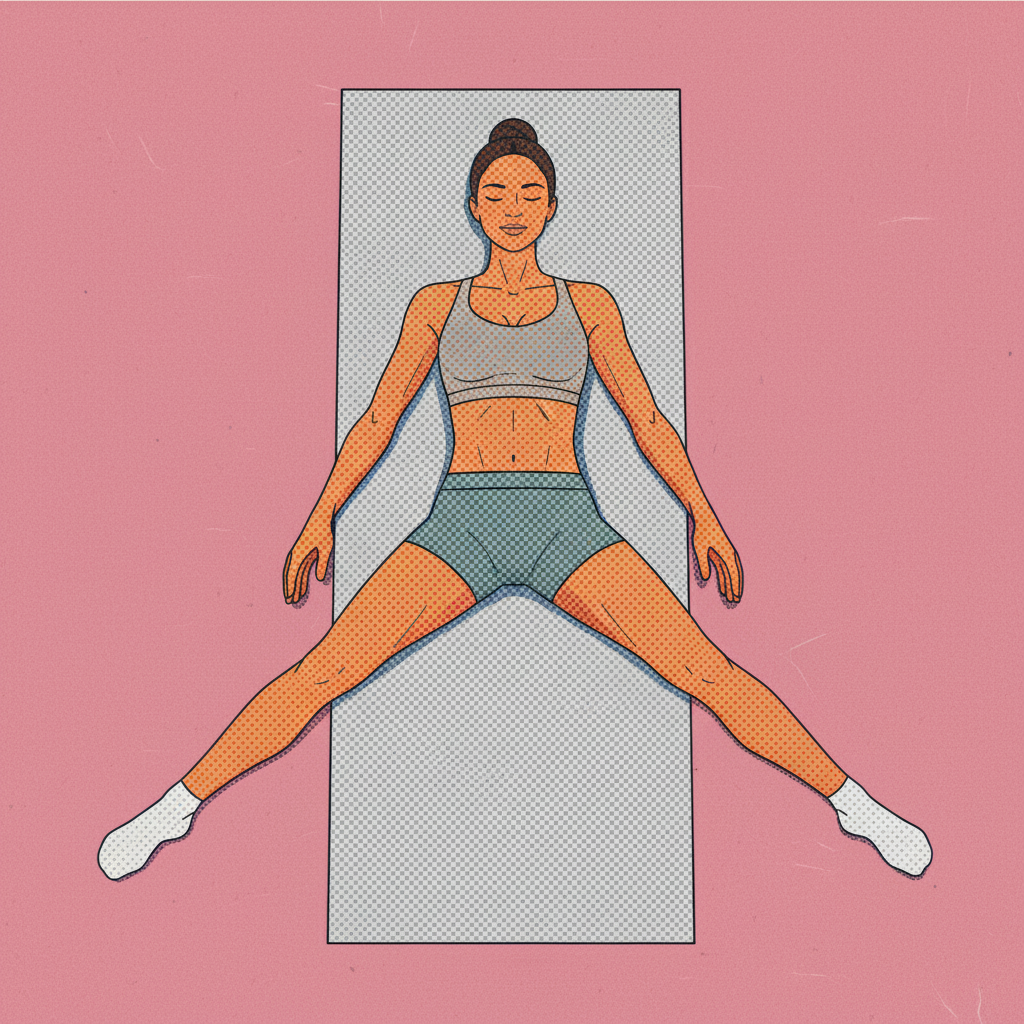
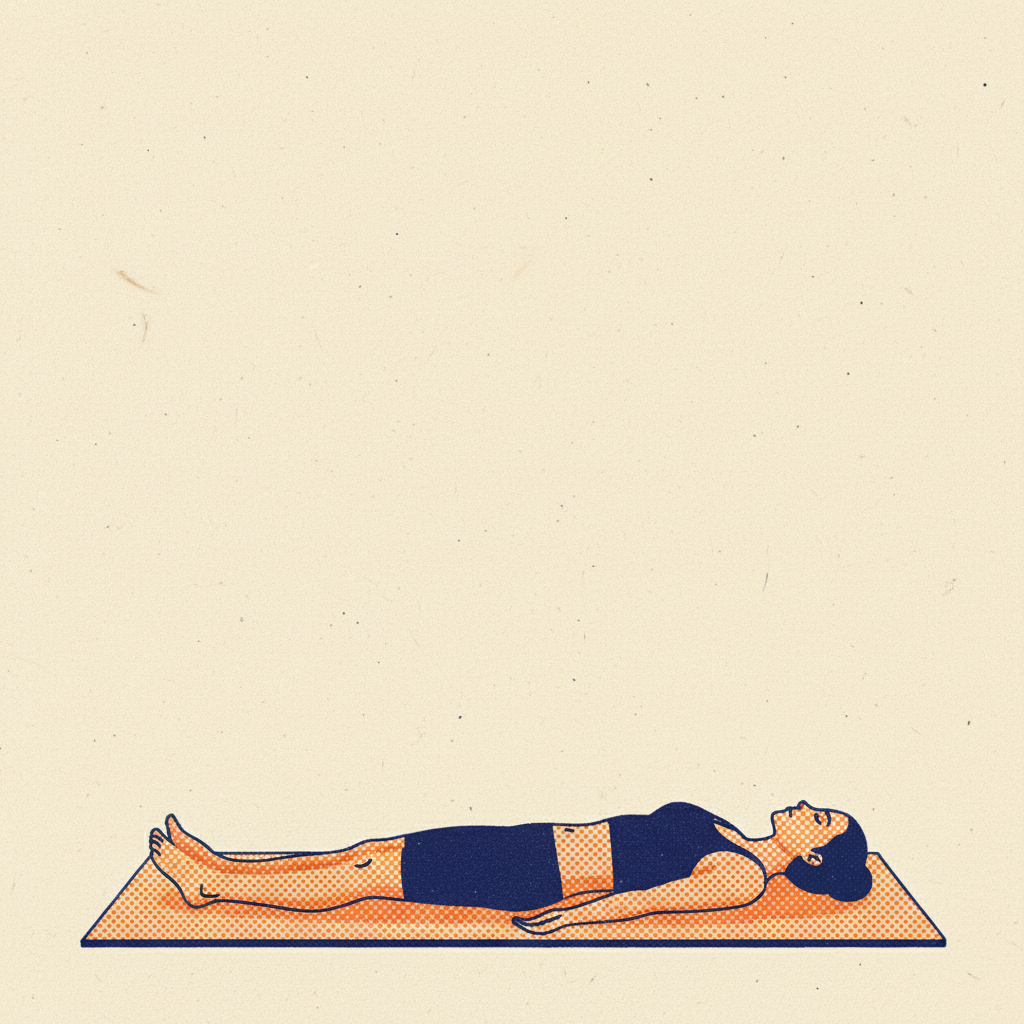
Corpse
Allows the nervous system to down-regulate and muscles to relax after the routine.
How to
Lie flat on your back, arms relaxed by your sides, palms facing up. Allow your shoulder blades to gently settle down and back, creating space across your chest. Extend your legs, letting them fall open naturally, with heels in and toes flopping out. Close your eyes and turn your attention inward. Take a deep breath in, feeling your abdomen rise, then exhale slowly, releasing any tension. With each breath, invite relaxation into your hamstrings, calves, lower back, and shoulders. Stay here for a few moments, embracing the stillness. When you're ready, gently wiggle your fingers and toes to transition.
Corpse
Tap to start practice
Your personal flow awaits.
Experience a fully personalized AI yoga session tailored to your body and goals. Just tell Flouu what you need.